PVC boats are popular for recreation, fishing, rescue and professional boat use. They are tough, inexpensive, and light to carry making them a popular choice among hard boats. Here you will find all the information you need about PVC boats, including materials, types, safety, maintenance, and selecting the right one.
A PVC boat is an inflatable boat made from polyvinyl chloride (PVC), a strong and flexible synthetic material. PVC boats are designed to be lightweight, puncture-resistant, and easy to transport while still offering stability and performance on the water.
High-quality PVC boats are built with multiple air chambers and reinforced seams to improve safety and durability.
PVC boats come in several types, each designed for different uses:
These are compact boats commonly used as tenders for yachts or small recreational boats. They are easy to inflate, store, and transport.
Designed for anglers, these boats often include rod holders, reinforced floors, and higher load capacity for gear and equipment.
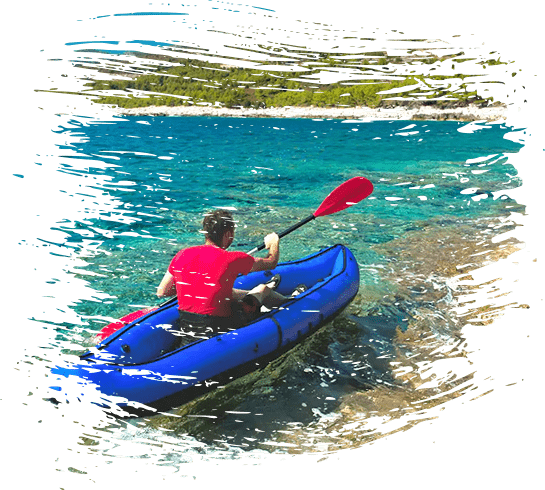
PVC kayaks are lightweight and stable, making them ideal for lakes, slow rivers, and coastal paddling in calm conditions.
Used for recreation or rescue purposes, PVC rafts offer excellent buoyancy and stability, even with multiple passengers.
PVC is one of the most commonly used materials for inflatable boats because it offers:
Modern PVC fabrics are often multi-layered and UV-treated to extend their lifespan.
PVC boats offer many benefits for both casual and professional users:
While PVC boats are reliable, they also have limitations:
Understanding these limitations helps users choose the right boat for their needs.
Many buyers compare PVC boats with Hypalon boats.
PVC Boats
Hypalon Boats
For most recreational users, PVC boats provide excellent value and performance.
When selecting a PVC boat, consider the following factors:
Look for multi-layer PVC fabric with reinforced seams for better durability.
Choose a boat that comfortably supports the number of passengers and gear you plan to carry.
PVC boats may feature inflatable, aluminum, or rigid drop-stitch floors. Each affects stability and comfort.
Fishing, leisure cruising, kayaking, or professional use may require different designs and features.
Safety Tips for Using PVC Boats
Most PVC boats feature multiple air chambers to improve safety if one chamber is damaged.
Proper maintenance can significantly extend the life of your PVC boat:
Using a protective cover or UV protectant can also help prevent material aging.
Yes, PVC boats are a practical and cost-effective solution for many water activities. They offer excellent portability, ease of use, and durability when properly maintained. For recreational boating, fishing, and calm-water adventures, PVC boats are a smart investment.
The convenience, performance and cost of PVC boats is unbeatable. They are made today with modern materials and methods making them safer and more durable. By choosing the right model and properly maintaining it, a PVC boat can provide years of reliable use on the water.